
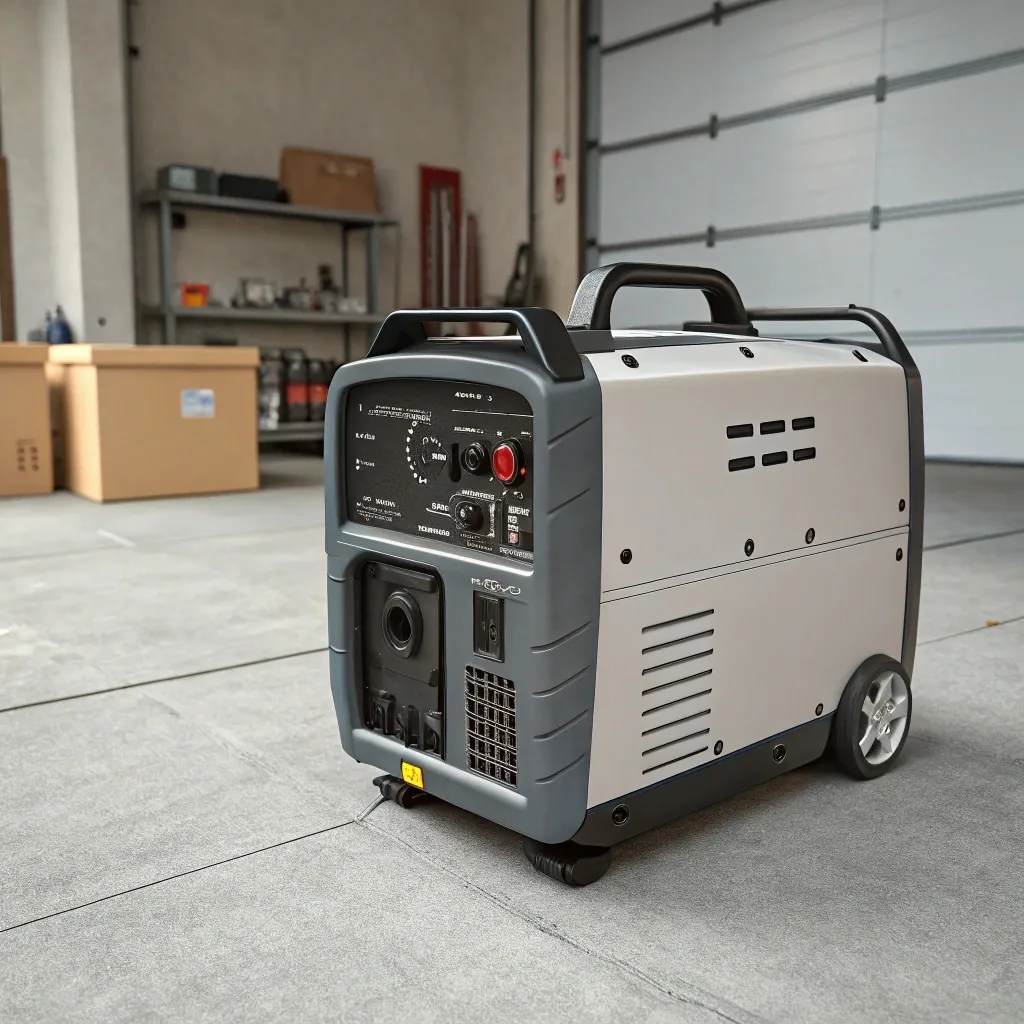
Yes, if you want a portable generator to power circuits in your home. The safe way to connect it is a power inlet outside and a transfer switch or a listed interlock made for your panel. Without a transfer switch, plug appliances directly into the generator using heavy-duty, outdoor-rated extension cords. Never plug the generator into a wall outlet or your home’s wiring; that backfeeding is illegal and can kill utility line workers. Hardwired equipment like the furnace can’t run that way. Eggers Electric in Loveland installs inlets, interlocks and transfer switches with the permit handled.
Why a transfer switch or interlock is required
When the grid is down, your home’s wiring is still connected to the utility lines. A generator connected without a transfer switch or interlock can send power back out through your meter, called backfeed, where it can injure or kill utility crews working on the lines. It can also damage the generator and your wiring when the power comes back on. A transfer switch or interlock makes sure your home is connected to either the utility or the generator, never both.
The options
Interlock kit
A listed interlock is a mechanical plate on your panel that physically prevents the main breaker and the generator breaker from being on at the same time. You choose which circuits to run by switching breakers. It must be listed for your specific panel.
Manual transfer switch
A separate switch, usually mounted next to the panel, that moves pre-selected circuits from utility to generator power. It is simple to use during an outage.
Power inlet
Both options use an outdoor power inlet, so you plug the generator cord in outside instead of running cords through a door or window.
What never to do
- Never plug a generator into a wall outlet with a double-ended (male-to-male) cord. It backfeeds the grid and can electrocute someone.
- Never run a generator indoors, in a garage, or near windows and doors. Generator exhaust contains carbon monoxide, which can kill in minutes.
- Never connect a generator without a transfer switch or interlock, even “just for a minute”.
Sizing: what can you run?
A portable generator usually powers essentials: furnace blower, refrigerator and freezer, some lights and outlets, internet, the garage door opener. Furnace blowers and well pumps draw extra current when they start, so we help you choose the circuits and check the generator size. Our portable vs standby guide explains the difference, and the portable generator connection page shows how we install it.
Permit and inspection
Installing an inlet and an interlock or transfer switch is electrical work that needs a permit and inspection. We pull the permit and schedule the inspection for you.
Talk to a local electrician
Every Eggers Electric visit includes the repair, installation or service you called us for, plus the $89 Eggers Safety Inspection. A licensed electrician looks at your home and the work you need and gives you a written price before any work starts; the $89 is credited toward the job when you go ahead. We are locally owned in Loveland since 1973, rated 4.9 on Google with 400+ Google reviews, and every job is backed by our 2-year workmanship warranty. Call 7 days, 7am–8pm at 970-669-1883 or Schedule Service. More on generators.
Frequently asked questions
Is an interlock as safe as a transfer switch?
A listed interlock made for your panel, installed correctly with a power inlet, prevents backfeed the same way. Which one fits depends on your panel and how you want to choose circuits.
Can I run my furnace on a portable generator?
Often, yes, through an inlet and a transfer switch or interlock, if the generator is large enough. The furnace is hardwired, so it can’t run from an extension cord.
What is backfeed?
Backfeed is generator power flowing back out to the utility lines through your home’s wiring. It can injure or kill line workers, which is why a transfer switch or interlock is required.
Do I need a permit for an inlet and interlock?
Yes. It is electrical work that needs a permit and inspection.